
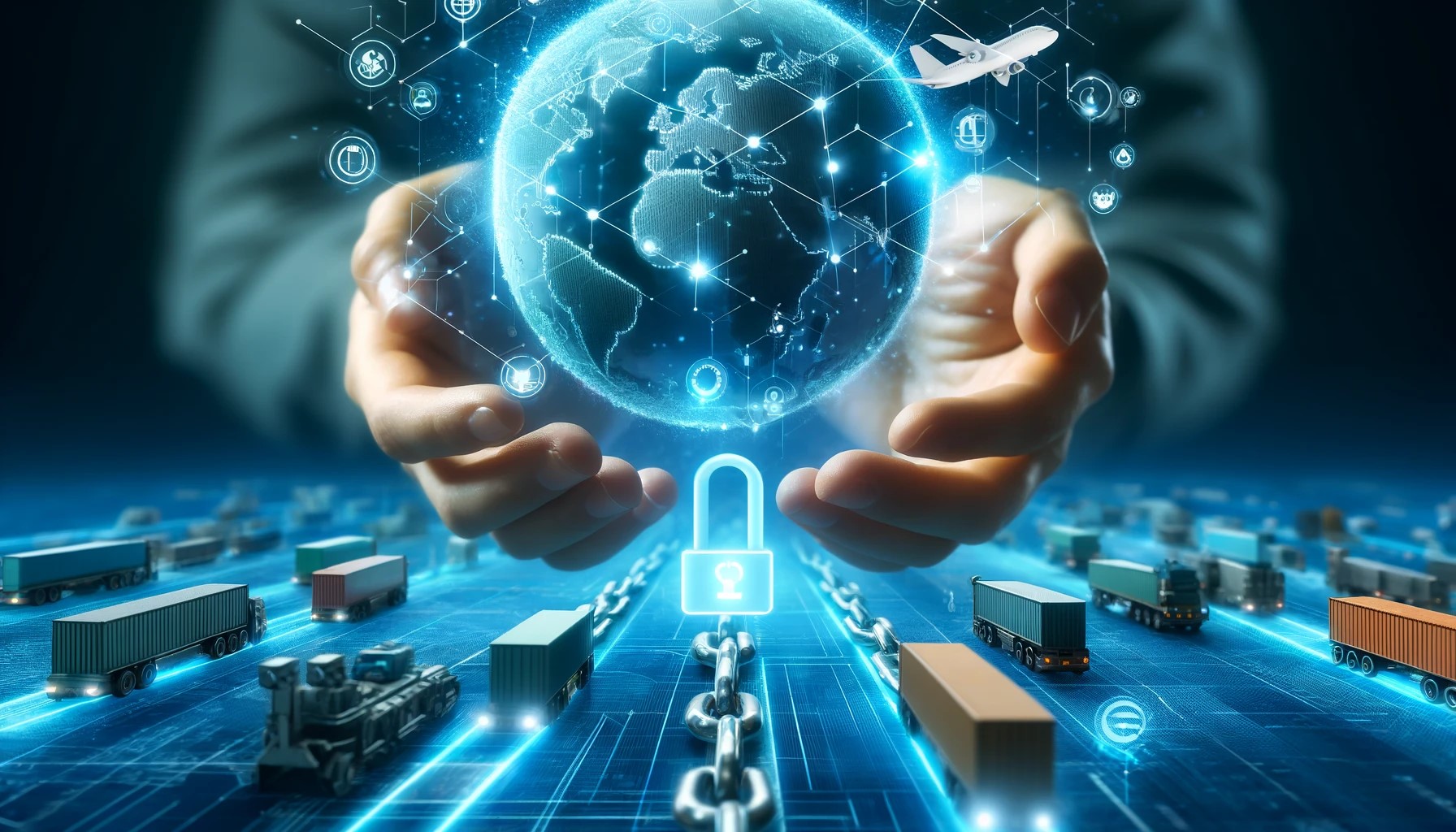
In the global economy today, supply chains form intricate systems linking different stakeholders across large geographic regions. The complexities often result in problems like unclear communication, difficulties in overseeing items, and vulnerability to deceit. However, blockchain technology offers a promising solution to these issues.
Blockchain, a system for keeping records that is decentralized and unable to be altered, has the ability to revolutionize supply chain management by enhancing traceability, transparency, and tradability. This article explores how blockchain is improving supply chain efficiency through real-world examples of its application.
Blockchain Enables End-to-End Traceability in Supply Chains
Integrating blockchain into supply chain management offers unparalleled traceability, letting businesses track products from their source to the consumer. With each step recorded on an immutable blockchain, companies gain a comprehensive view of their supply chain, identifying bottlenecks, inefficiencies, and potential risks.
Mapping and Visualizing Supply Chains
Blockchain technology provides a digital map of the entire supply chain. Every network participant, from raw material suppliers to manufacturers and distributors, can log their transactions onto the blockchain. This results in an auditable and tamper-proof trail of a product’s movement.
In the food industry, blockchain can track ingredients from farm to table. This helps ensure food safety and allows consumers to make informed decisions based on sustainability and ethical sourcing.
Facilitating Swift and Efficient Product Recalls
In case of a product recall, blockchain streamlines the process. With a comprehensive record of a product’s movement, businesses can quickly pinpoint the affected batch or lot. This precision minimizes business impact and swiftly removes defective items.
Reducing Fraud and Counterfeiting
Fraud and counterfeiting are prevalent issues, particularly in luxury goods and pharmaceuticals. Blockchain’s immutability and transparency offer businesses an effective way to combat these problems. Every product receives a unique digital identity on the blockchain, simplifying authenticity verification.
Blockchain Enhances Supply Chain Transparency
Transparency is crucial for trust among supply chain partners and compliance. Blockchain offers unprecedented transparency with a tamper-proof record of transactions.
Capturing Key Data Points Like Certifications
Blockchain securely stores vital data points such as certifications, licenses, and quality control reports. Authorized parties can easily access this data, reducing paperwork and manual verification.
In the diamond industry, blockchain tracks diamonds from mines to retailers, recording certifications on quality, origin, and ethical sourcing. Buyers can verify the authenticity of their purchases.
Providing Open Access to Immutable Data
Blockchain’s validated, immutable data is accessible to all supply chain participants, providing real-time updates on goods, shipments, and payments. This transparency fosters trust and encourages efficient collaboration.
Enhancing Regulatory Compliance and Reporting
Blockchain can simplify regulatory compliance and reporting. In pharmaceuticals, for instance, blockchain ensures compliance with drug safety regulations. Each step, from manufacturing to distribution, is recorded, offering regulatory authorities a tamper-proof record.
Blockchain Introduces New Tradeability to Supply Chains
Blockchain introduces new levels of tradeability to supply chain assets. By tokenizing assets, businesses can create new markets and flexible trading options.
Tokenizing Assets for Fractional Ownership
Physical assets like commodities or real estate can be converted into digital tokens representing fractional ownership. This makes trading more accessible and liquid.
Real-World Examples of Blockchain Implementation
- Walmart’s Food Traceability Initiative: In collaboration with IBM, Walmart tracks food products from farm to store, enabling quick recalls in case of contamination.
- Maersk and IBM’s TradeLens: The world’s largest shipping company, Maersk, partnered with IBM to streamline global shipping documentation through a blockchain platform.
- De Beers’ Tracr: De Beers tracks diamonds from mine to retail, ensuring authenticity and ethical sourcing.
Challenges for Blockchain Supply Chain Adoption
- Need for Trusted Partners and Permissioned Access: Permissioned blockchains require careful partner selection for security and privacy.
- Integrating with Existing Systems: Seamless data exchange between blockchain and current enterprise systems can be challenging.
- Preventing Counterfeit Entry: While blockchain tracks products, strong quality control is needed to prevent counterfeit entry.
Conclusion
Blockchain technology can revolutionize supply chain management through unprecedented traceability, transparency, and tradeability. Its ability to track goods, securely share data, and offer new trading opportunities allows businesses to optimize operations and reduce costs.
FAQs
Blockchain’s immutable ledger offers an unchangeable audit trail, revealing every node from sourcing to delivery. It’s like keeping a transparent, tamper-proof scorecard that anyone in the supply chain can access, confirming each asset’s legit origins.
Absolutely! With real-time smart contracts, inventory tracking becomes a breeze. We can automate reordering, detect anomalies early, and ensure smooth data flow across suppliers, reducing dead stock and overproduction.
Oh yeah, it’s perfect! Blockchain networks let us sidestep borders and time zones. We tap into a trustless, borderless ecosystem, simplifying cross-border compliance and seamlessly verifying regulatory paperwork.
Smart contracts auto-execute as pre-set terms are met, nixing manual checks. Think self-driving code that releases payments, initiates orders, and reconciles records, ensuring every trade aligns with the chain’s SLA.
Blockchain tracks every product down to the molecular level. By registering each batch in an incorruptible ledger, we annihilate potential for fakes, ensuring each shipment matches verified specs with a cryptographic seal of authenticity!